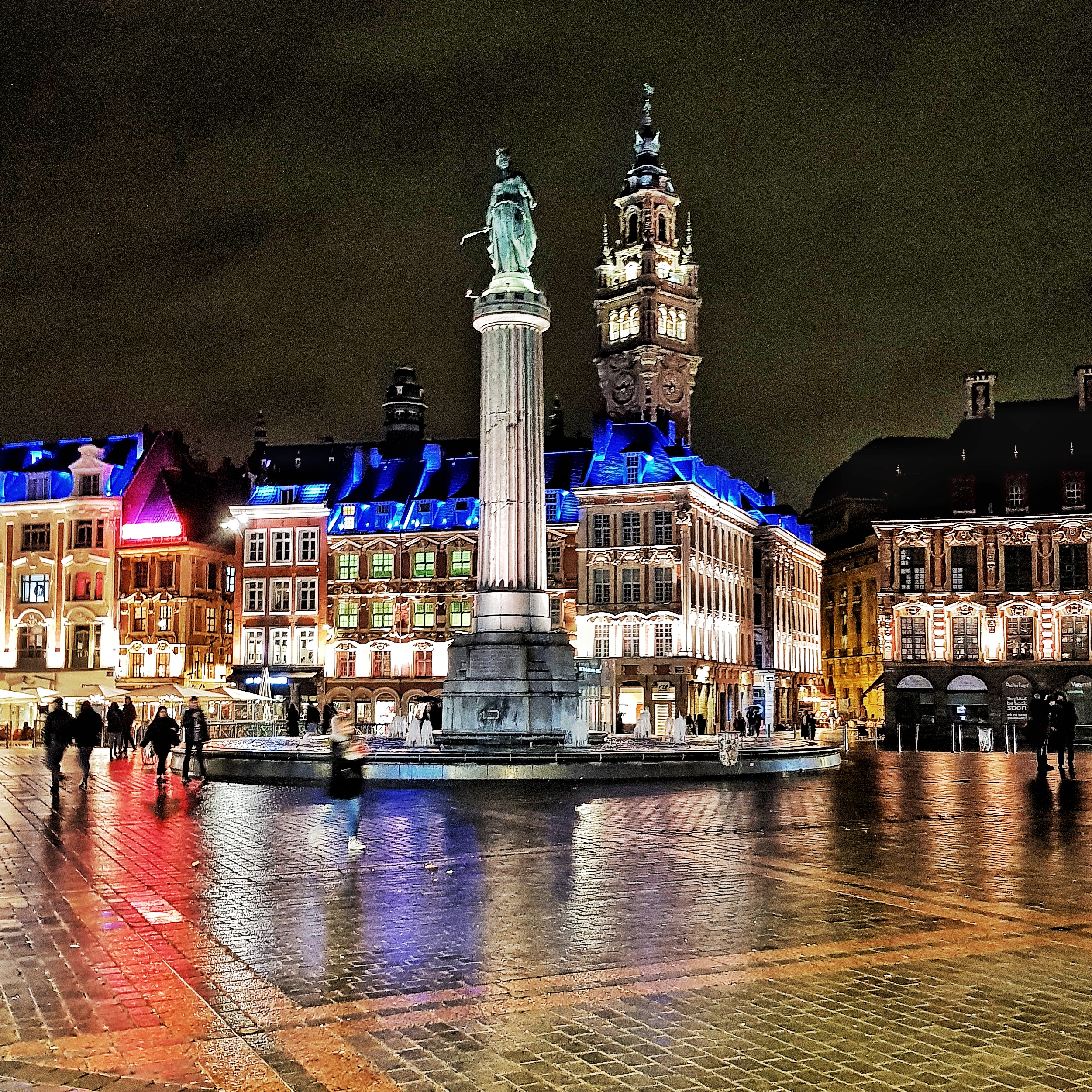
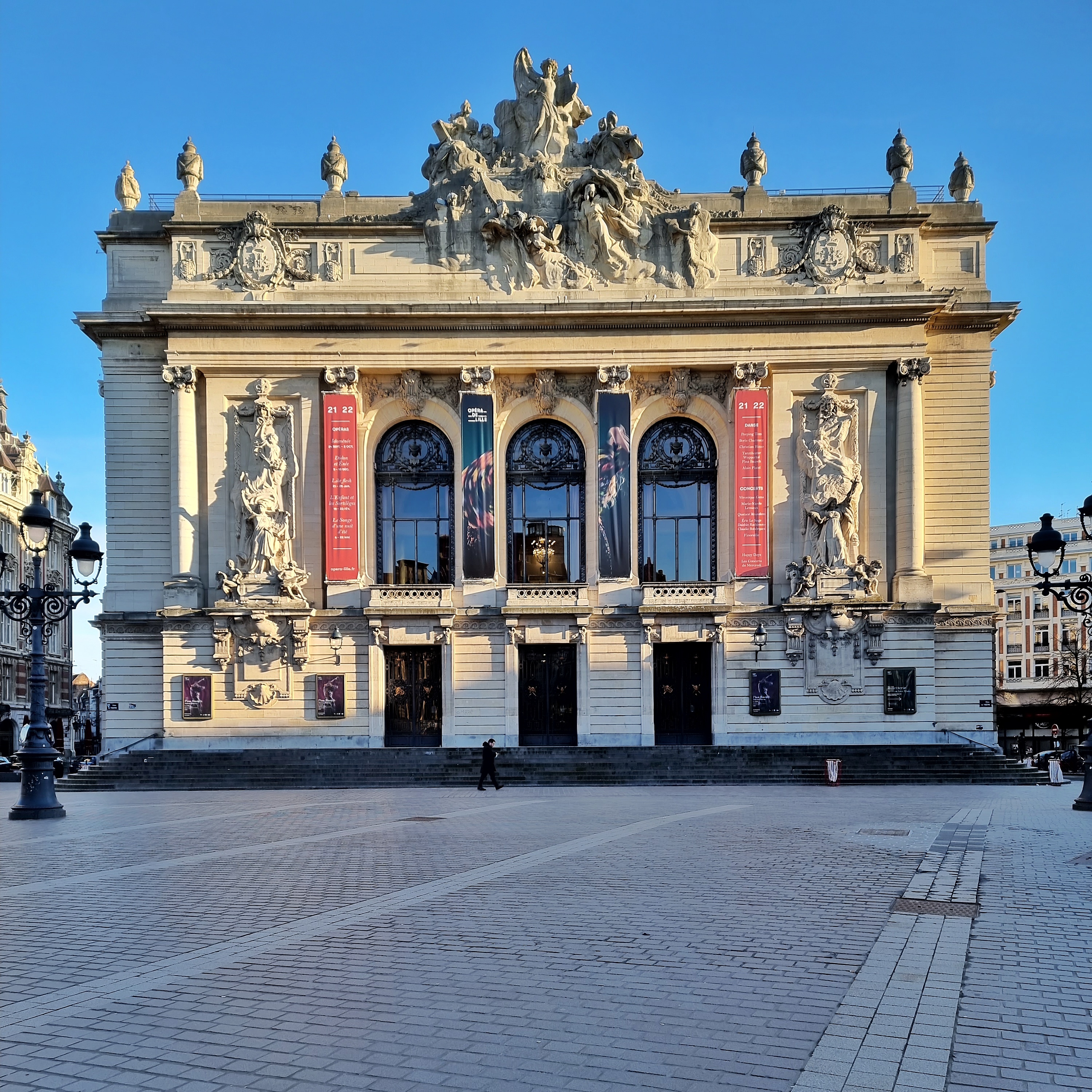
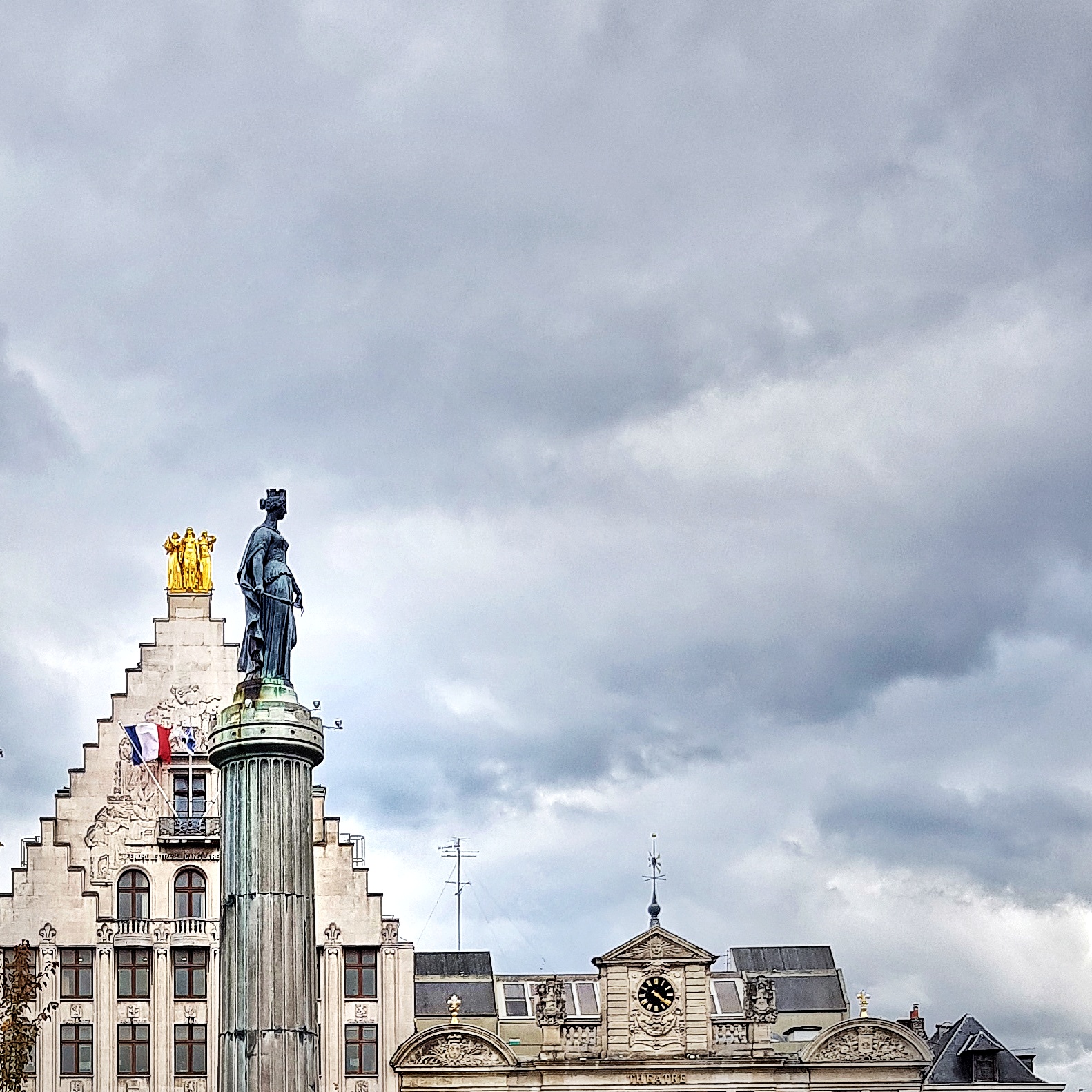
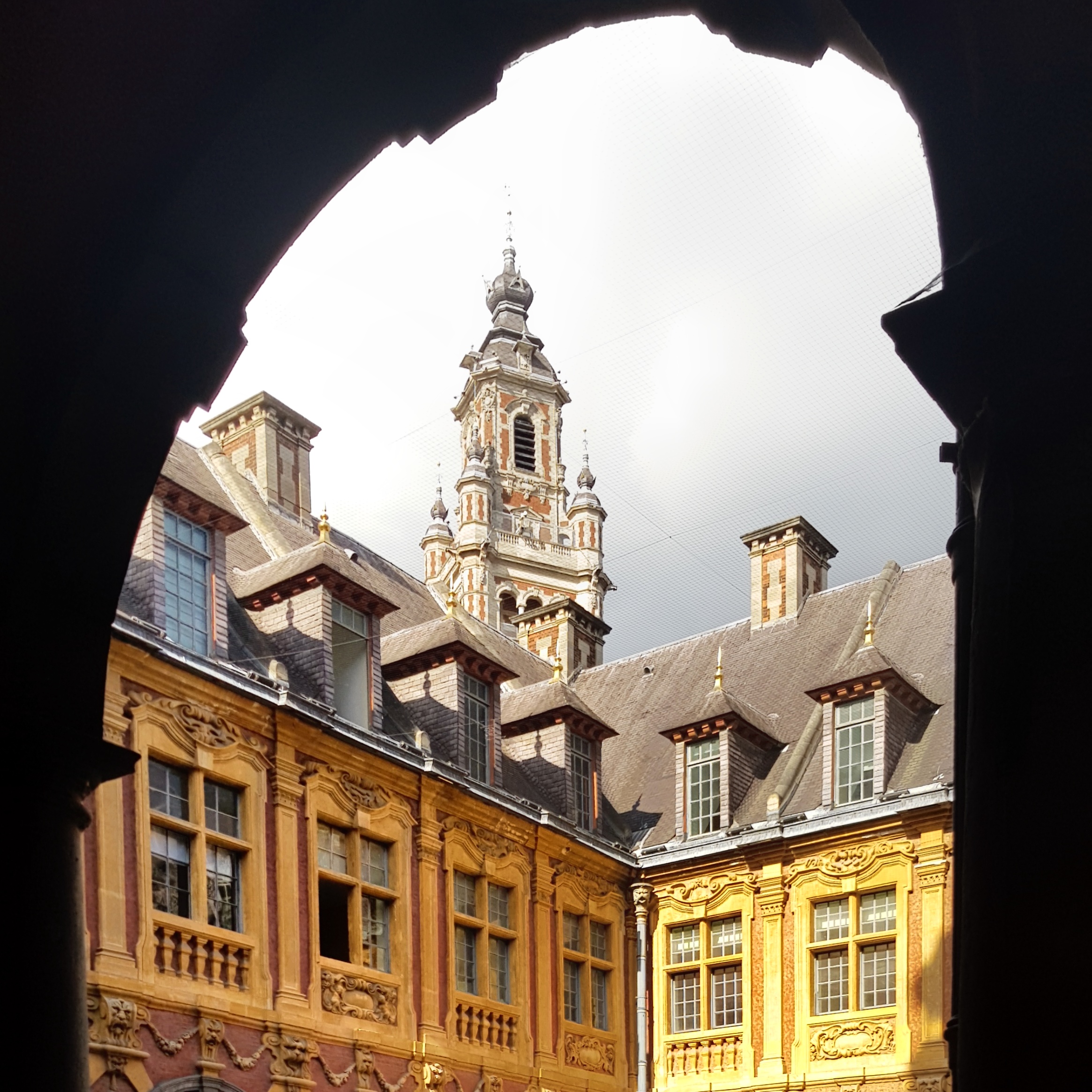
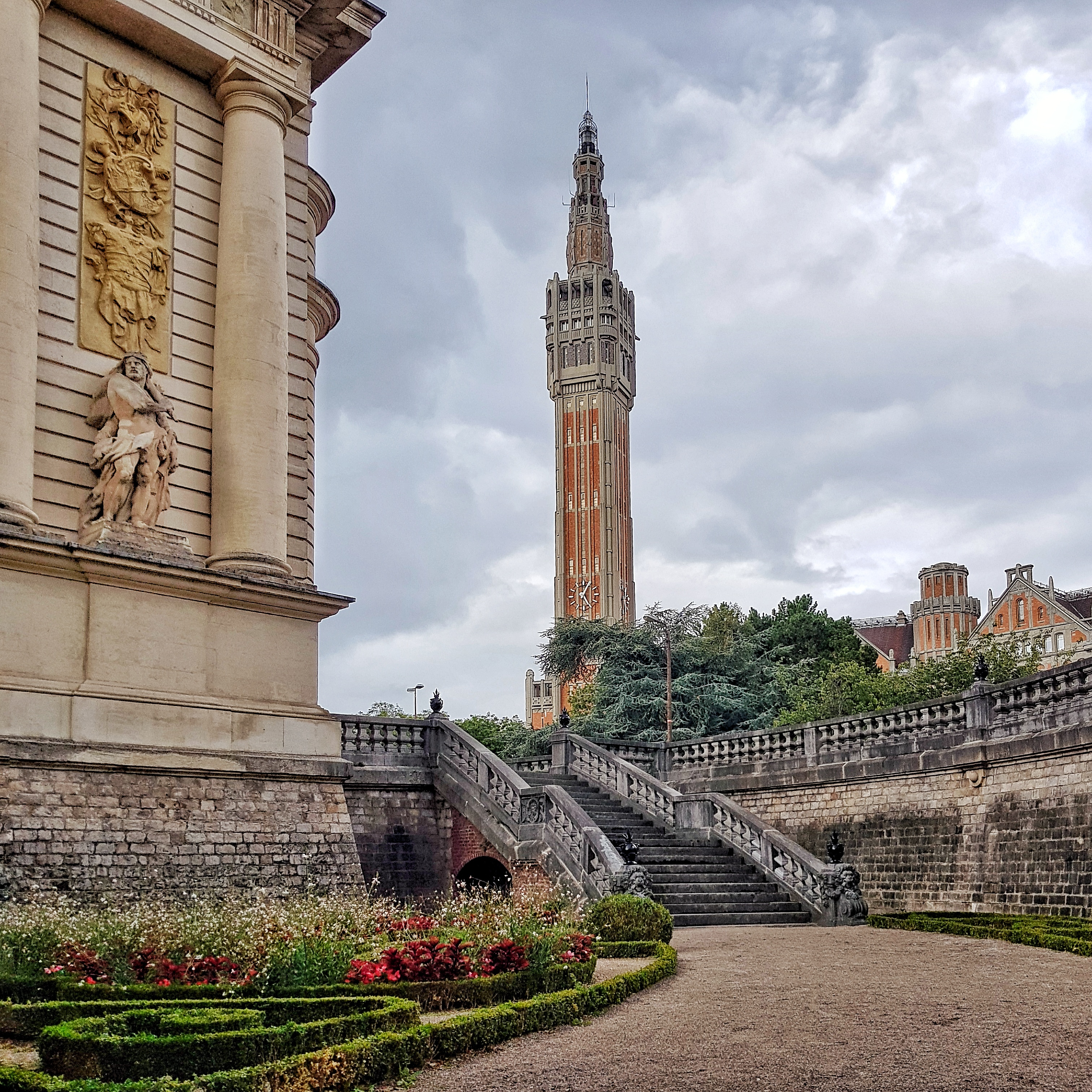
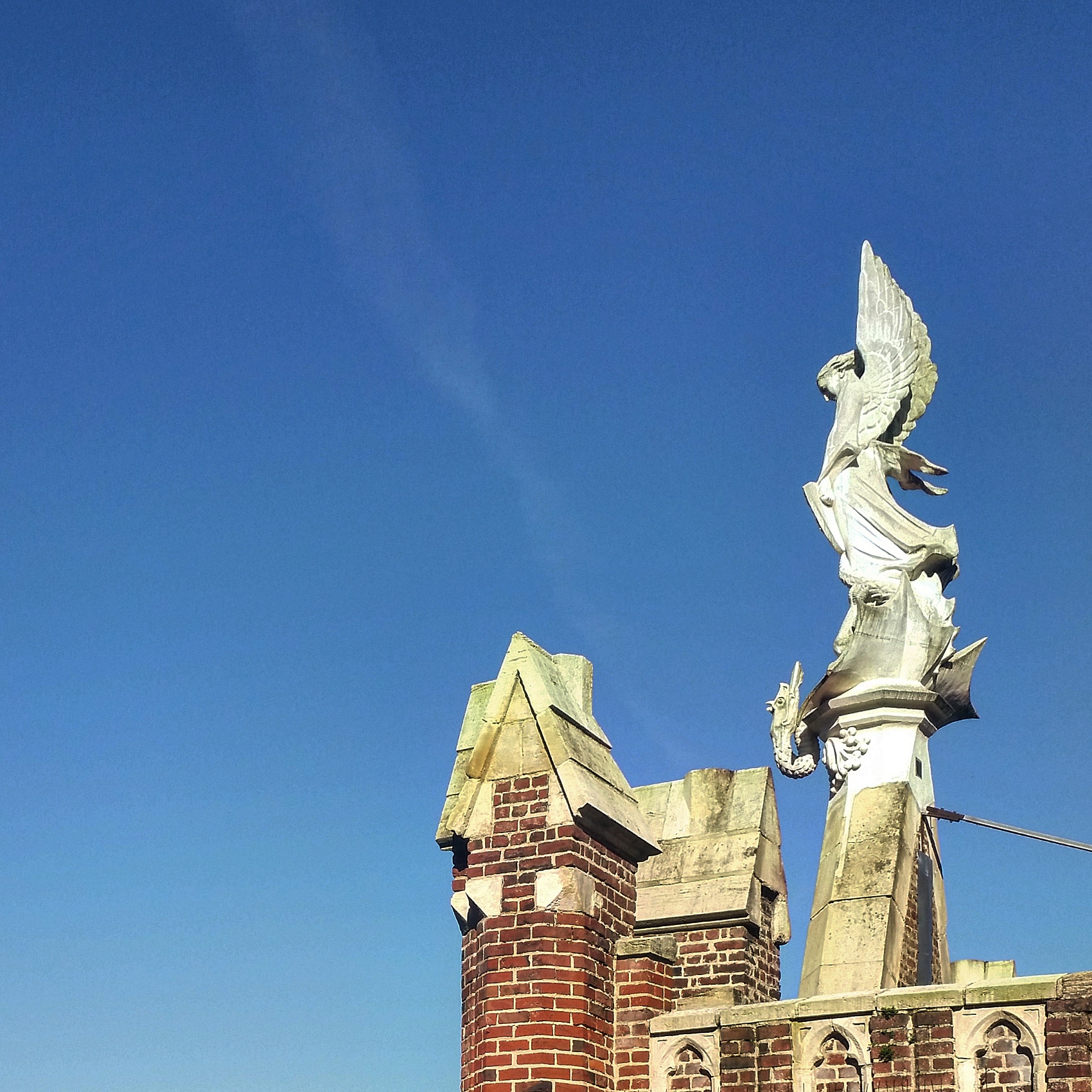
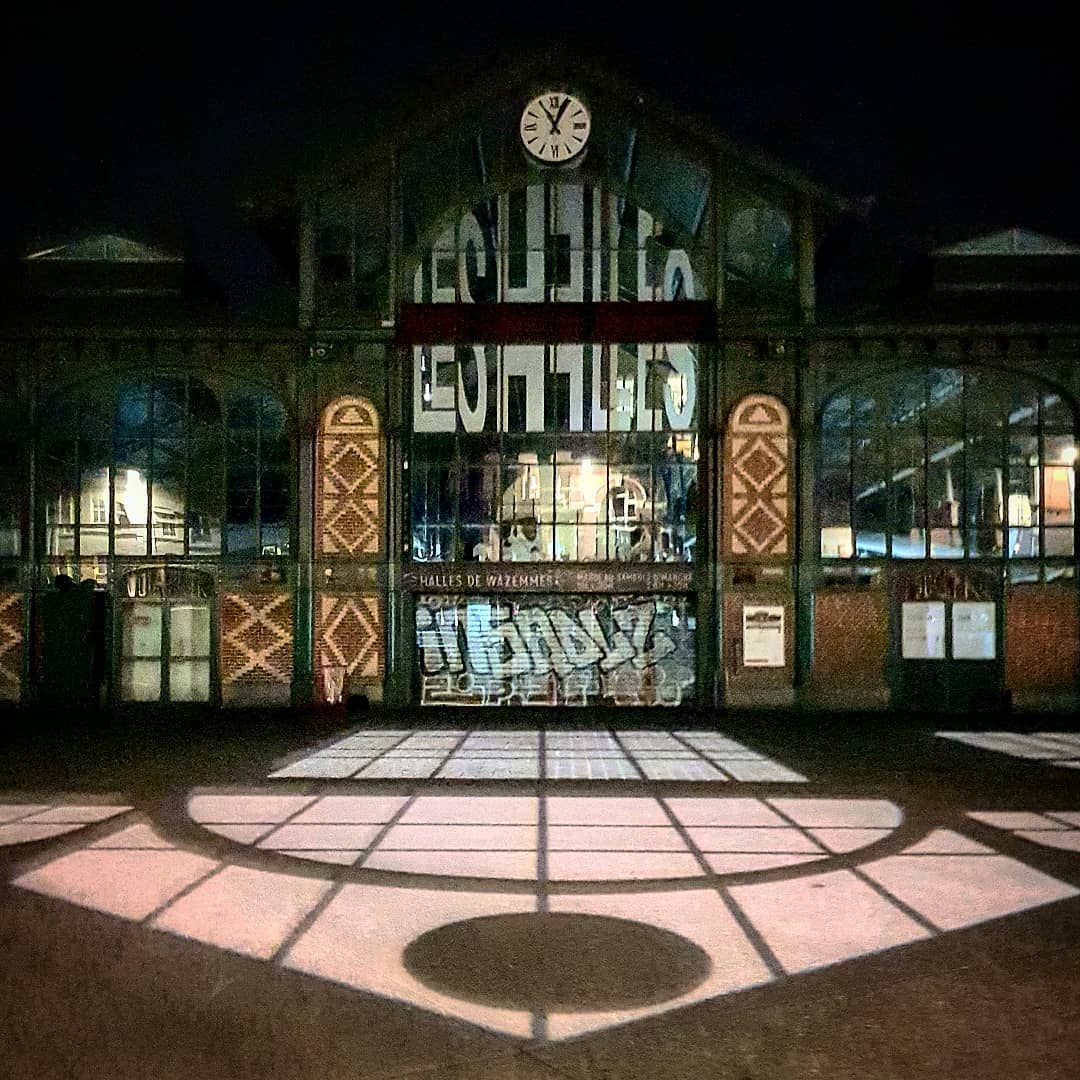
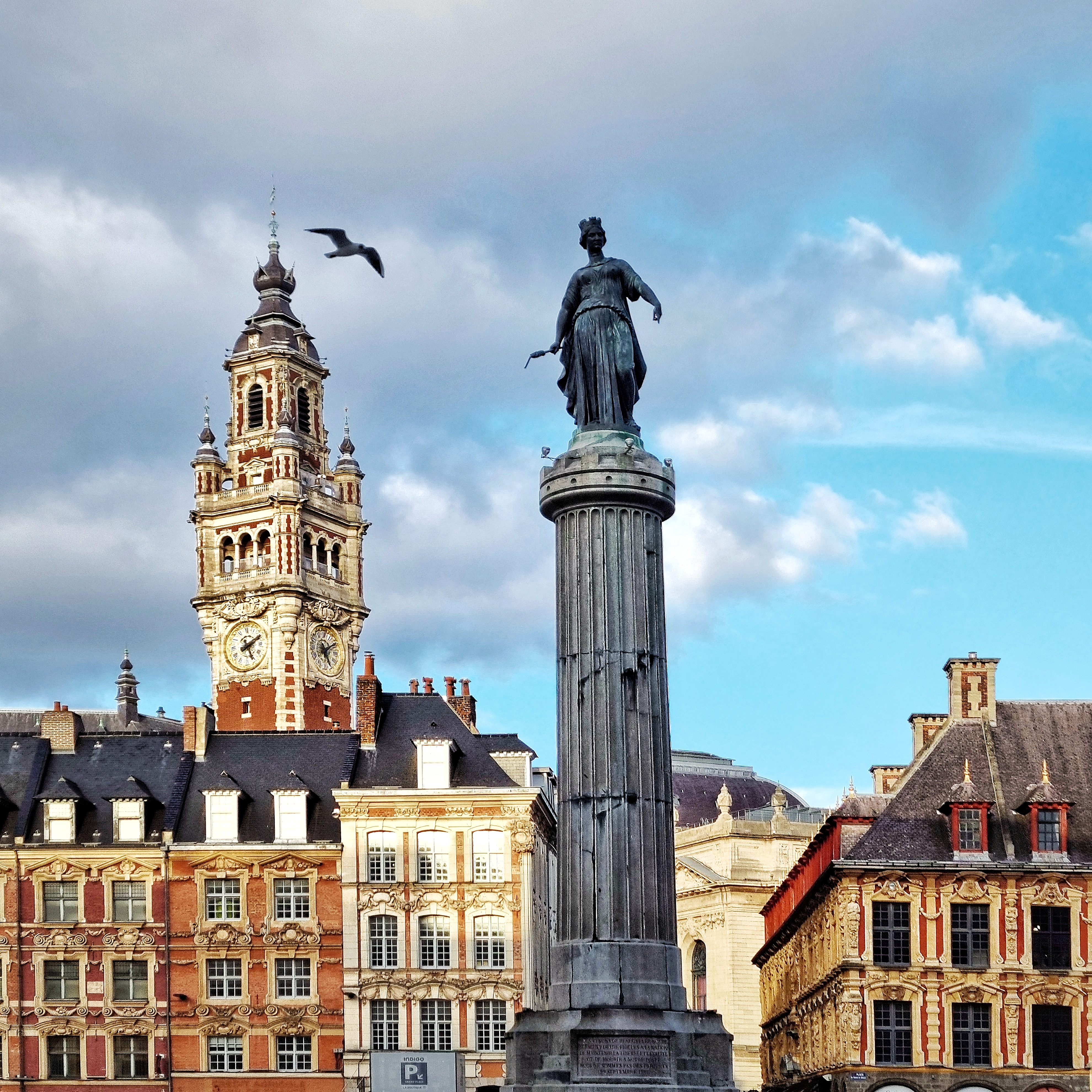
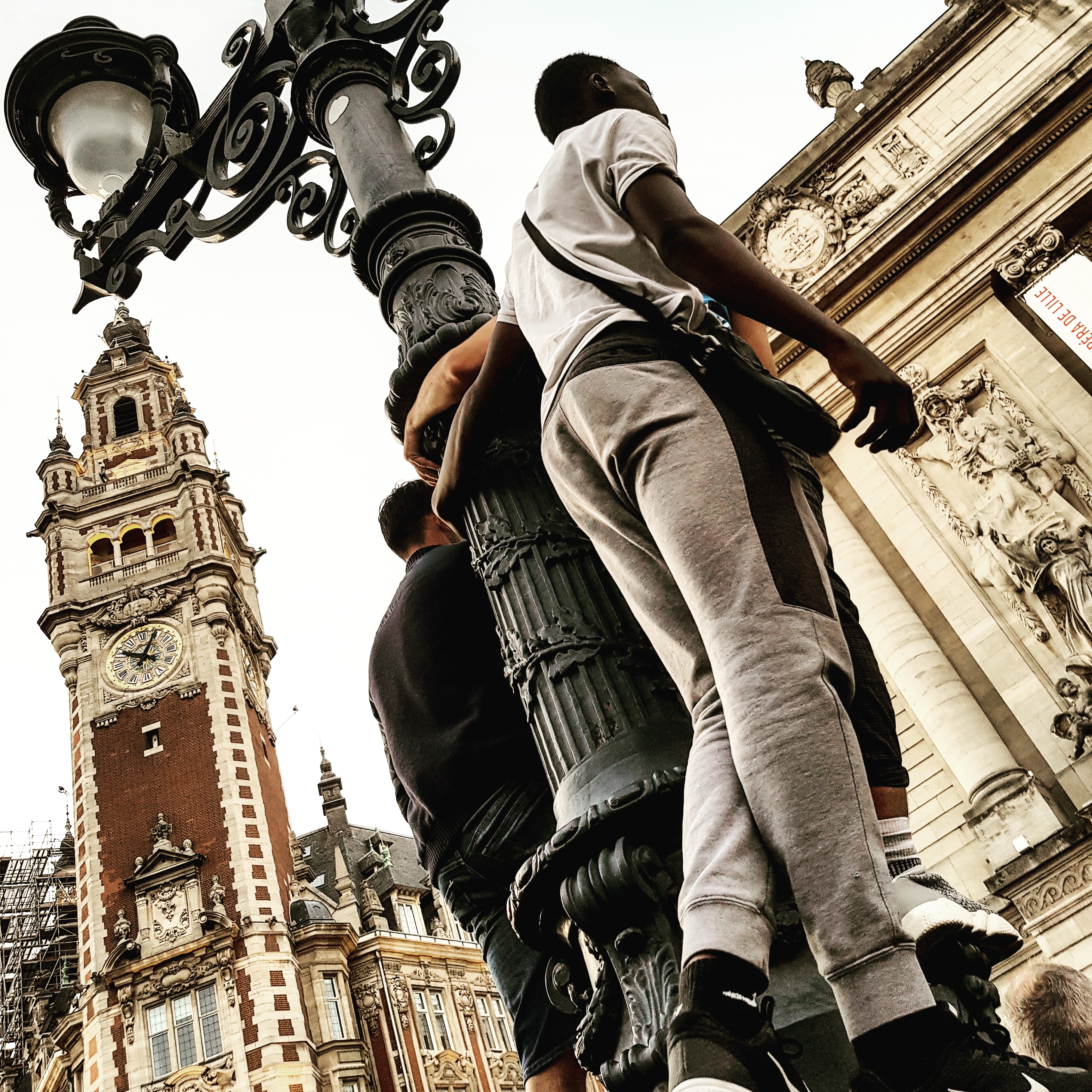
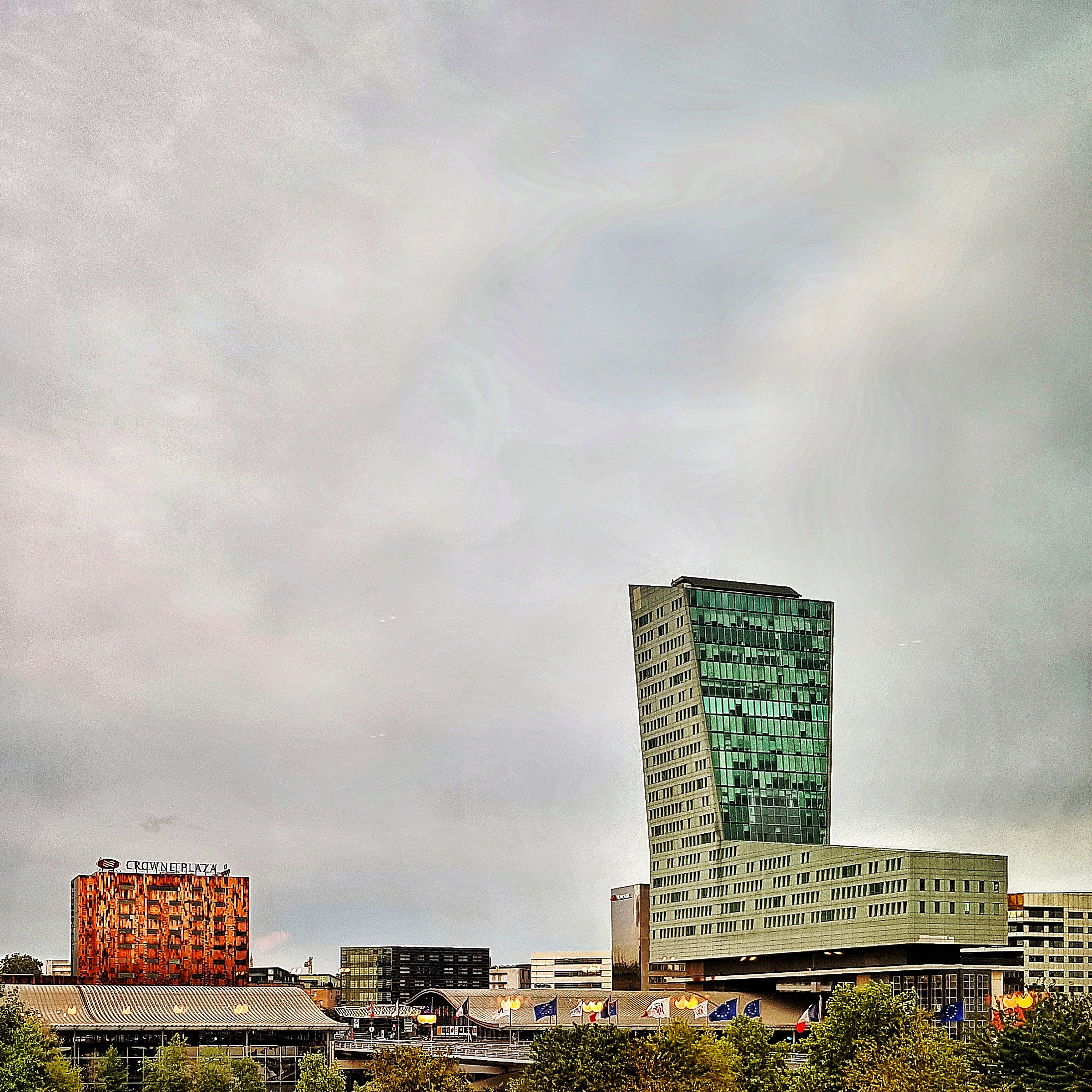
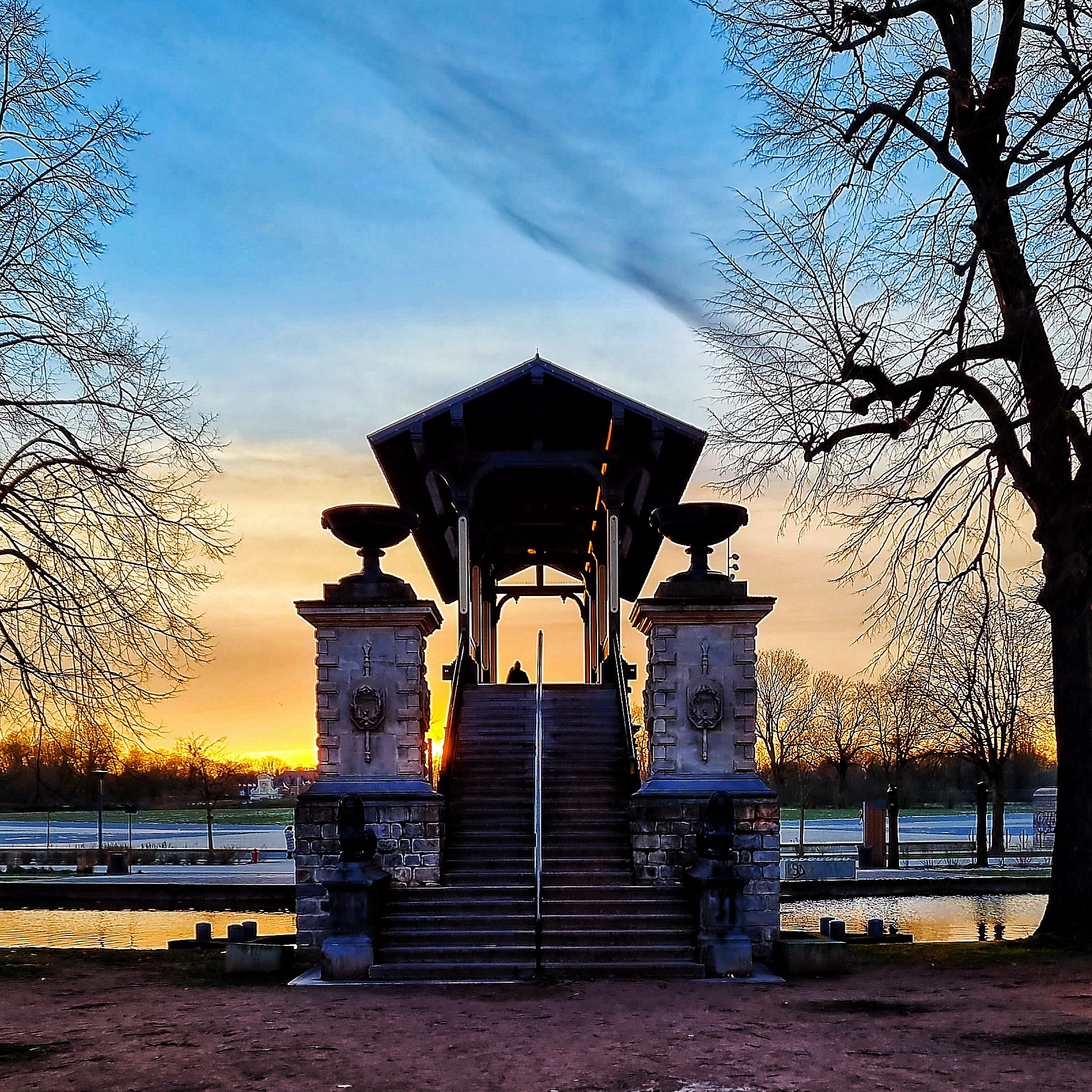
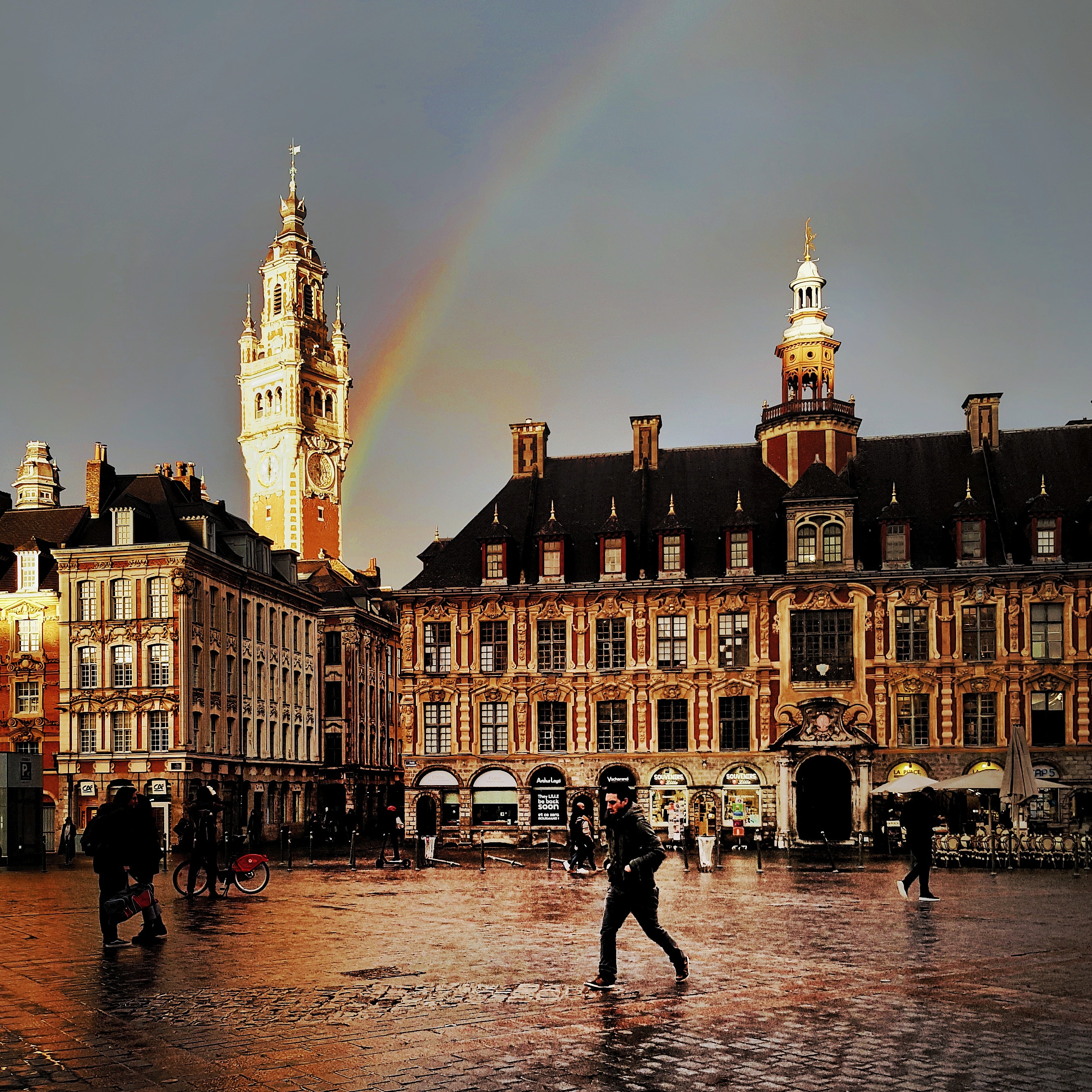
Lille, ma ville – my city
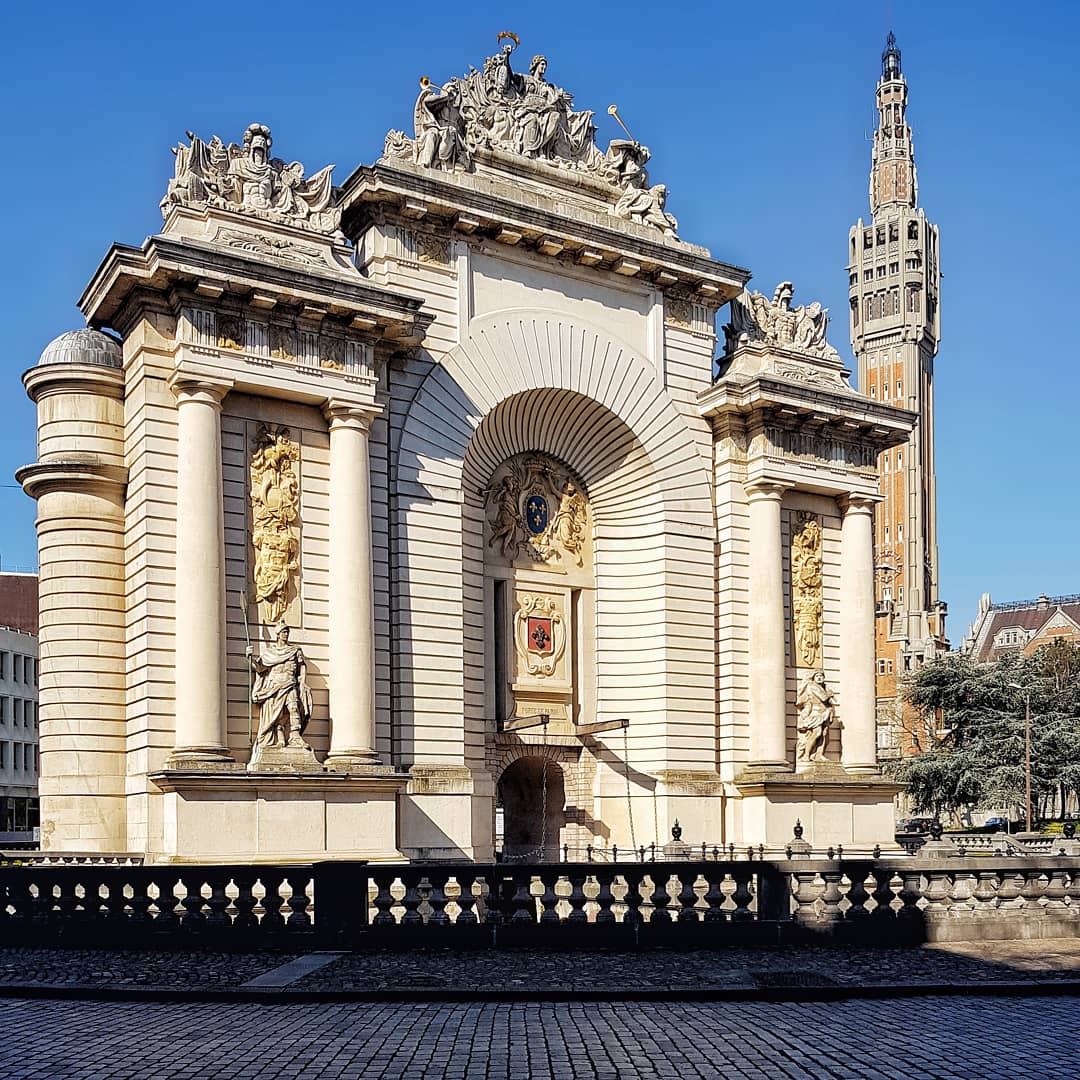
Lille (l’île, or ‘t Rijsel in Flemish) was successively Flemish, Burgundian, and Spanish before becoming French in 1667 under Louis XIV, whose architect, Vauban, extended the city’s fortifications and built the impressive citadel. The area’s strategic location and rich resources have made it one of the most fought over regions in Europe. The city itself has often been besieged, most notably by Austria in 1792, at the outset of the French Revolution. It was also under German occupation through two world wars, and was especially marked by the first of these – la Grande Guerre, the Great War, as it remains known.
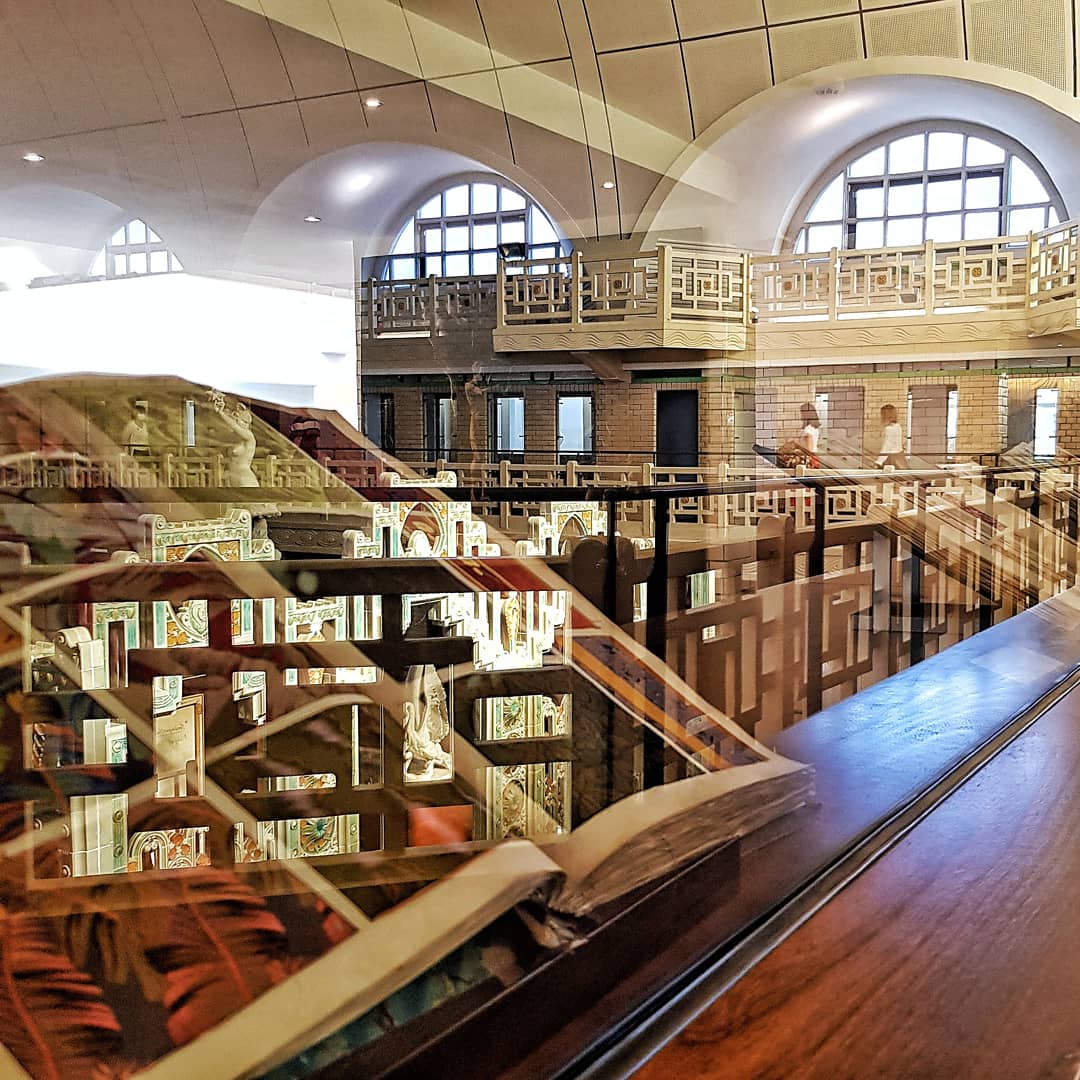
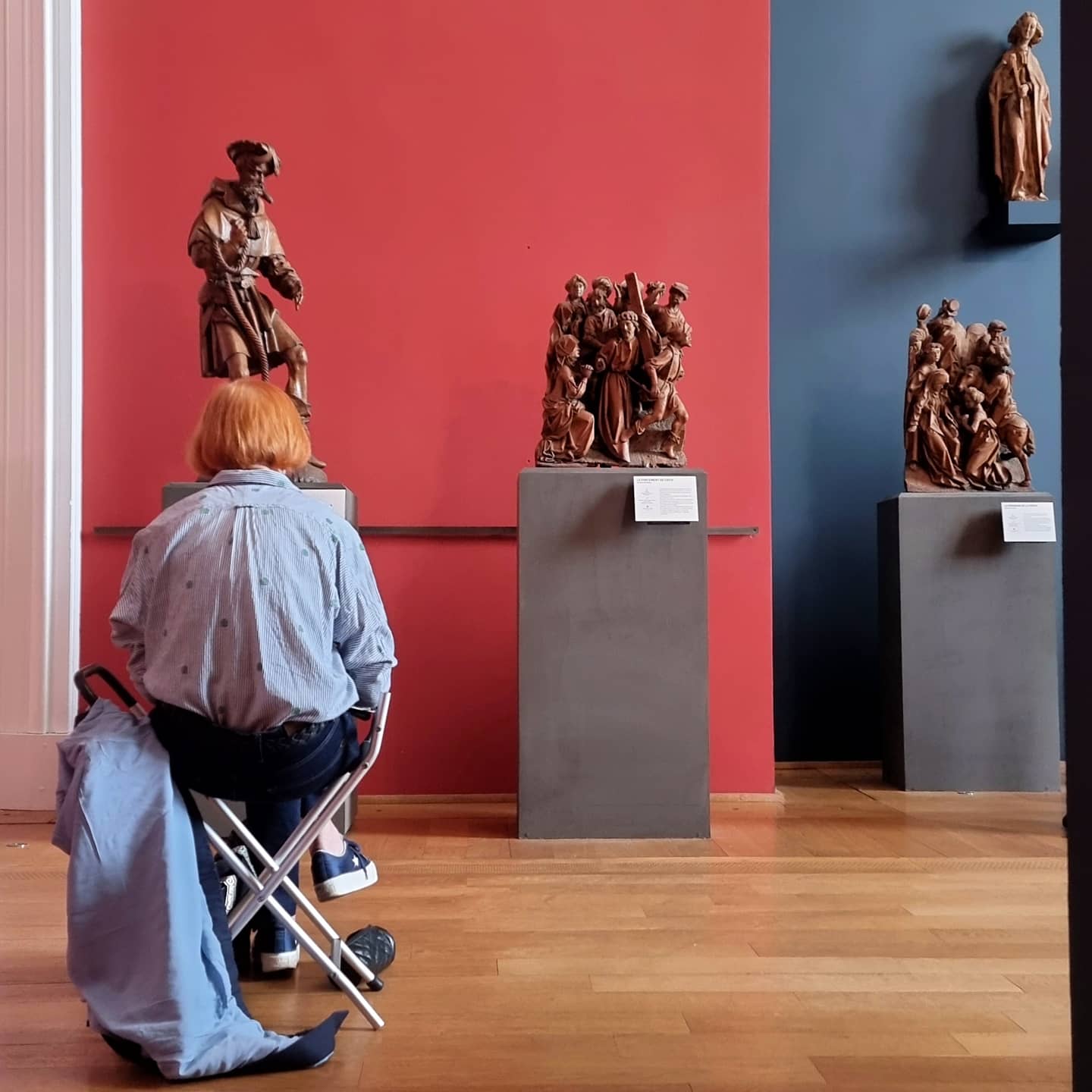
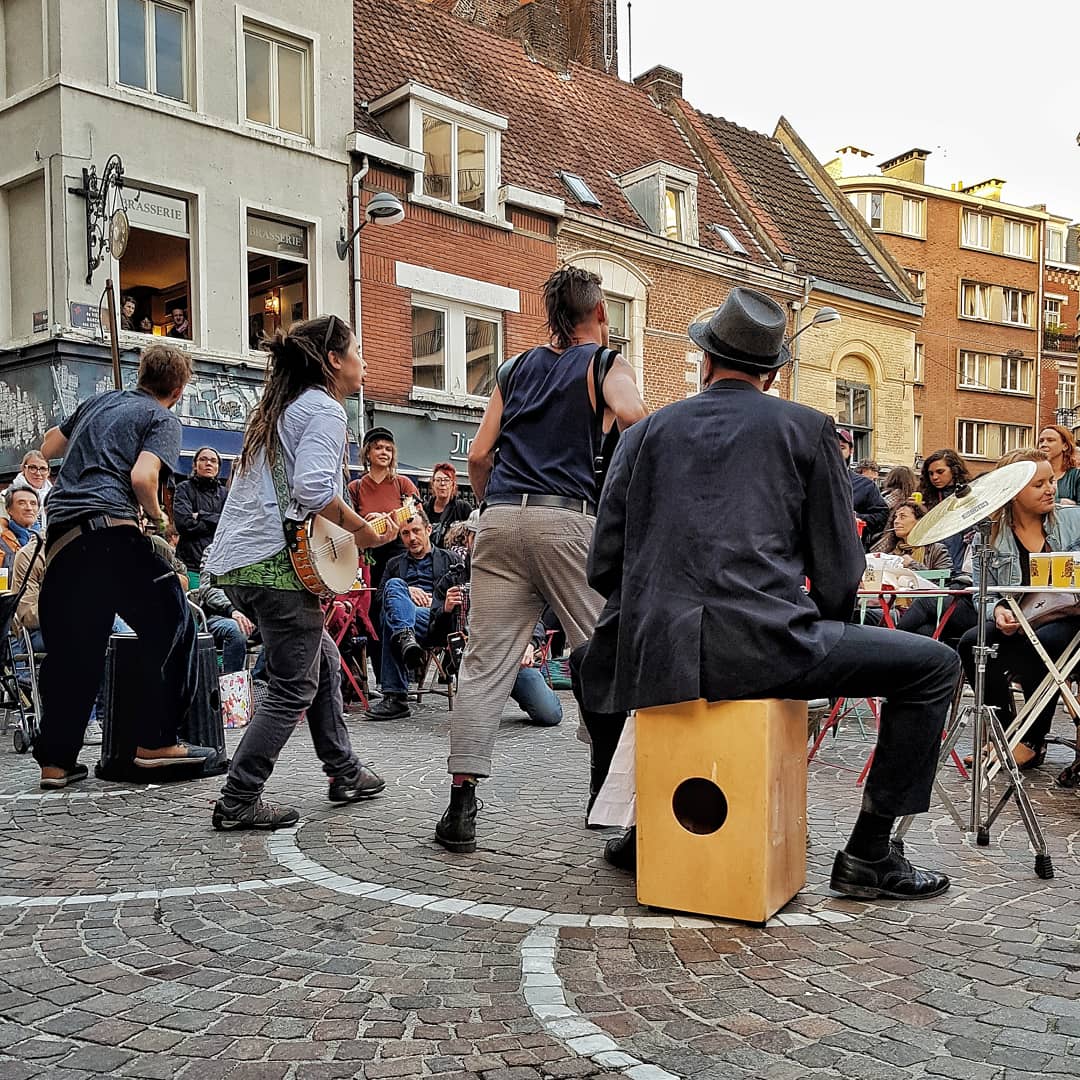
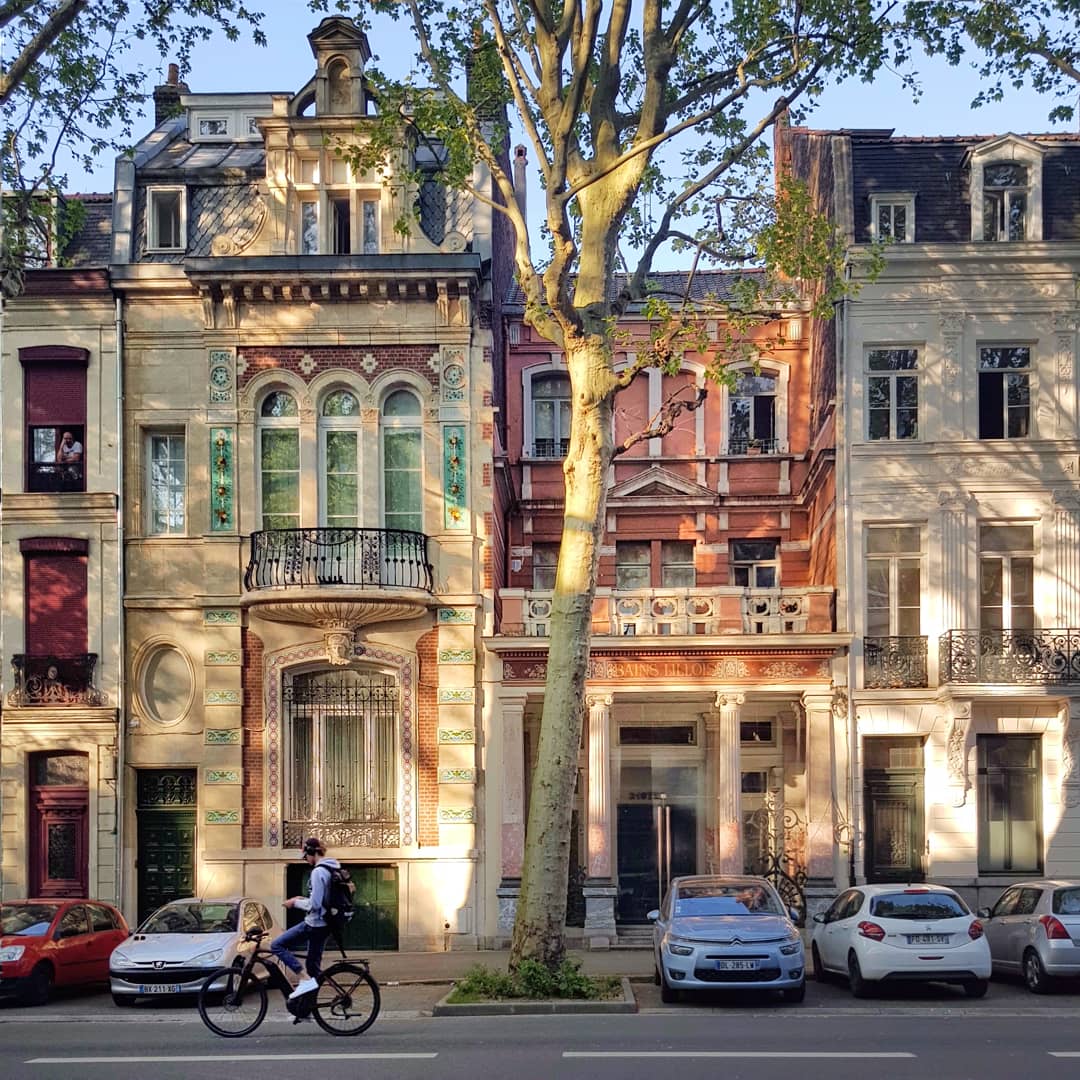
However, Lille has always proven resilient, and remarkably good at reinventing itself. It is now the bustling capital both of the département du Nord and of the Hauts-de-France region, with swift and direct connections to Paris, Brussels, and London. While the population of the city, proper, is just under 235 000, that of the greater metropolitan area now exceeds 1.5 million on the French side of the border alone; the cross-border Eurométropole, which includes the Belgian cities of Kortrijk (Courtrai) and Tournai, is larger still. Lille thus has the feel of a small, highly walkable city, but with all the advantages of a large metropolis. And the populace is notably young, thanks to the numerous educational institutions and innovative start-ups. Named a European Capital of Art and Culture in 2004, and a World Design Capital in 2020, Lille can boast a vibrant cultural life, with much to see, much to offer visitors and residents alike.
So come, take a look. Explore a bit of what Lille has to offer.